Why Remote Industrial Sites Are Moving Toward Solar Hybrid Power
Posted by SLD Tech Inc on 27th May 2026
Remote industrial operations are becoming more connected, automated, and data-driven. Equipment that once required only occasional field checks now often depends on continuous power for communication, monitoring, control, security, and data collection. This shift is especially important for sites located far from stable grid infrastructure, including communication facilities, oil and gas monitoring locations, water and wastewater systems, mining support areas, security installations, and other field-based industrial assets. As these sites become more dependent on reliable electrical power, project planners, OEMs, distributors, and system integrators are rethinking how remote power should be designed.
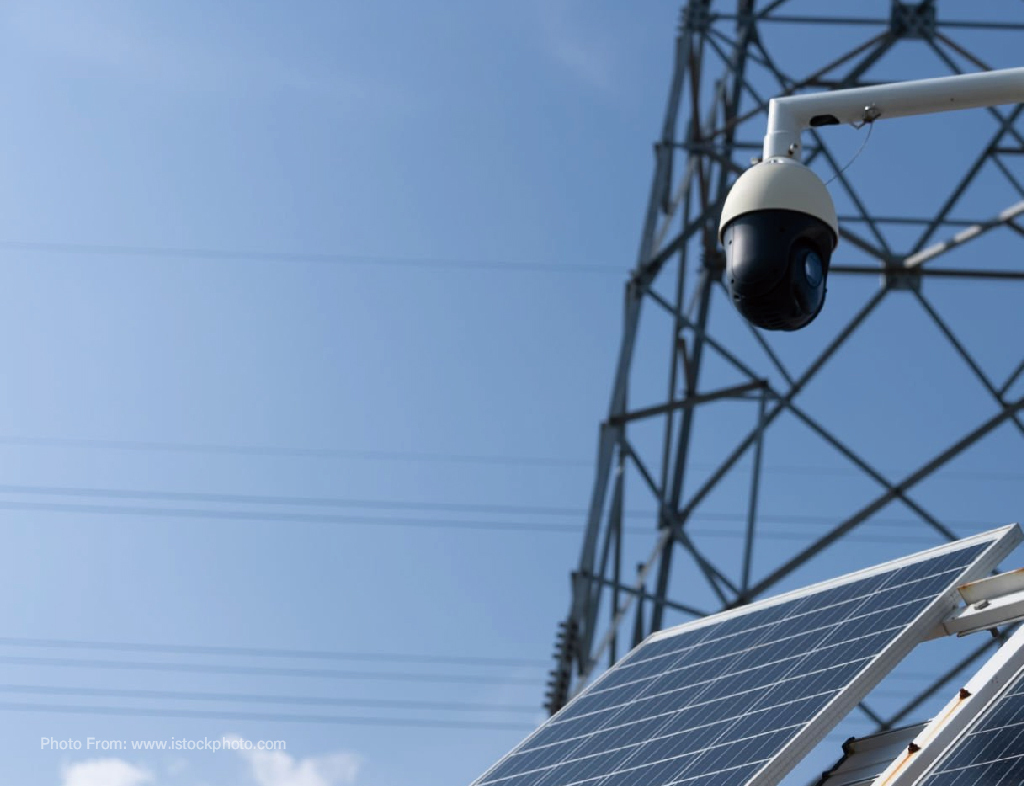
For many years, diesel generators have been one of the most common solutions for remote industrial power. They are familiar, widely available, and capable of supporting equipment when grid power is not practical. However, generator-only systems can create long-term operational challenges. Fuel delivery may be costly or difficult when access is limited by distance, weather, terrain, or site security requirements. Routine maintenance also adds cost and coordination pressure. For unattended or low-access locations, every service visit matters because it can involve labor, travel time, equipment downtime, and operational risk. As companies look for ways to improve reliability while controlling long-term operating costs, relying entirely on diesel power is becoming less attractive for many applications.
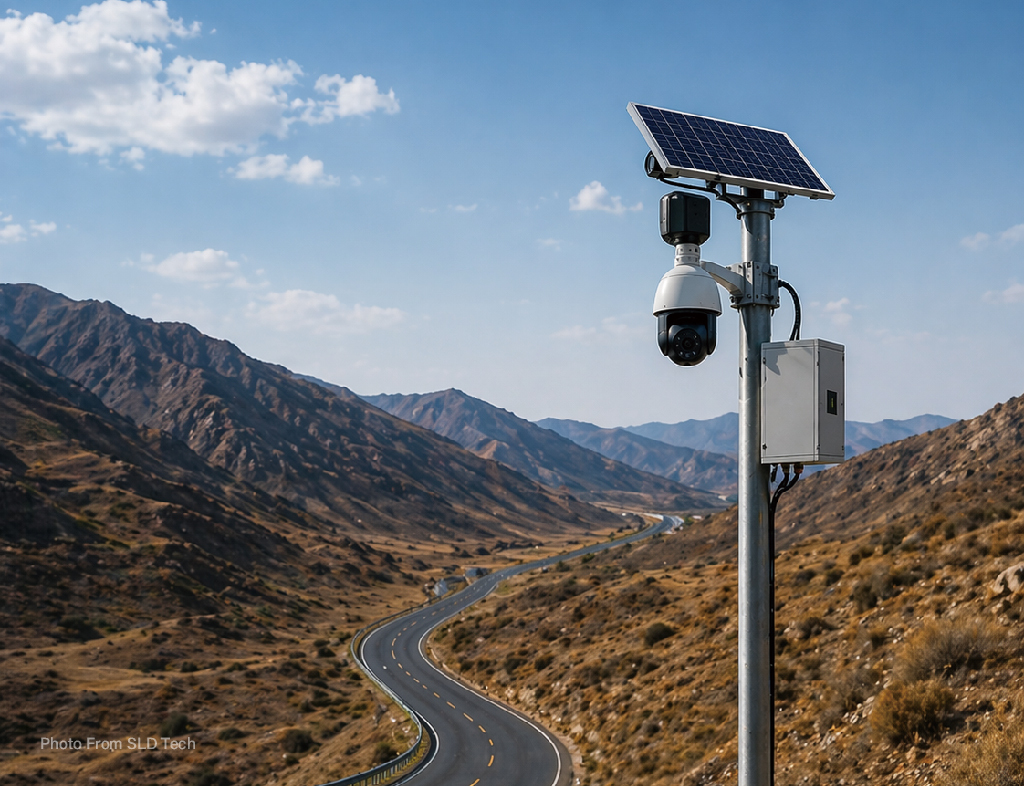
Solar hybrid power offers a more balanced approach. Instead of replacing every backup source, a solar hybrid system combines solar modules, battery storage, charge control, and backup generation when needed. During daylight hours, solar modules help recharge the battery bank and support daily electrical loads. During the night or periods of lower sunlight, stored energy can keep essential equipment running. A generator may still be included as a backup, but it does not need to operate as the primary power source at all times. This type of system design can reduce generator runtime, lower fuel dependency, and provide more flexibility for long-term operation in remote environments.
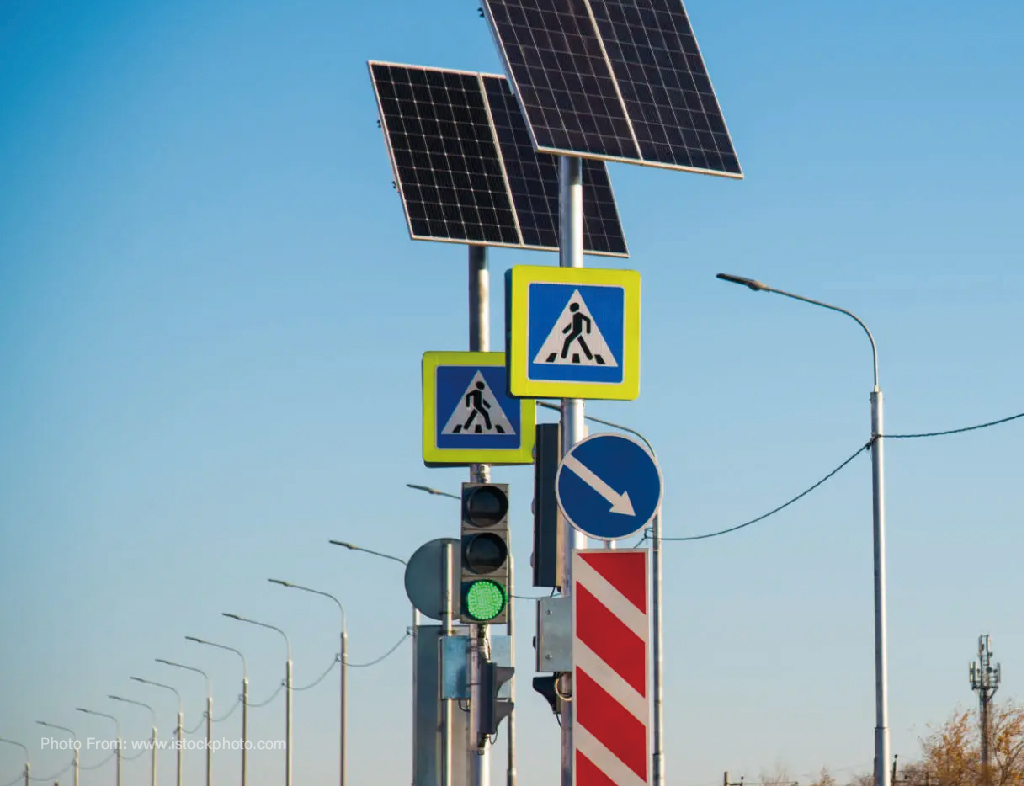
This trend is particularly relevant for industrial sites with predictable or moderate power demand. Many remote assets do not require the same level of power as a large facility, but they do require stable and continuous operation. Communication equipment, remote sensors, surveillance systems, access control units, environmental monitoring devices, small pumps, telemetry systems, and data collection equipment may operate continuously or on scheduled cycles. For these applications, the value of solar hybrid power is not only in energy generation. It is also in reducing site visits, supporting equipment uptime, and making the power system easier to manage over the full life of the project.
For B2B buyers, the planning process is more complex than simply choosing a solar panel with a certain wattage rating. A successful remote power system depends on the actual load profile, daily energy demand, seasonal sunlight, battery capacity, controller selection, voltage requirements, wiring configuration, mounting method, and environmental exposure. Customization may also be needed when a project requires specific module dimensions, voltage outputs, cable lengths, connector types, junction box placement, frame options, or mounting compatibility. OEMs and system integrators may need modules that fit into a defined equipment layout, attach to a pole-mounted cabinet, integrate with a control enclosure, or support a larger deployment program. In this context, solar hybrid power is not only a product decision. It is also an engineering and supply chain decision.
The move toward solar hybrid systems reflects a broader change in how remote infrastructure is being planned. Power is no longer treated as a temporary field challenge or an afterthought added at the end of a project. For many industrial applications, the power system is part of the core equipment design. A reliable power strategy can help protect uptime, reduce maintenance pressure, support data continuity, and improve the long-term performance of remote assets. For B2B projects, the strongest solar hybrid solutions will come from matching the solar module, battery system, charge control, mounting structure, and electrical configuration to the real operating conditions of the site. As remote industrial sites continue to expand, solar hybrid power is becoming a more practical option for organizations that need reliable energy, lower maintenance demands, and flexible system design in the field.