

Vetting Solar Suppliers for 30-Year Warranty Reliability
Posted by SLD Tech Inc on 26th Dec 2025
For companies procuring solar panels, a 30-year performance warranty sounds incredibly appealing. This promise is the foundation of financial models, crucial for securing project financing, and central to the asset's value. However, a significant challenge lies ahead: How can you be sure the supplier will still be around and honor its promises thirty years from now? The simple truth is: a warranty is only as reliable as the company behind it. Therefore, thorough and careful verification is not just a suggestion; it's an essential part of managing risk in any serious solar project.
This article provides a practical checklist to help you analyze solar suppliers, looking beyond marketing claims to assess the true long-term reliability of their 30-year warranties.
- Financial Stability: The Cornerstone of a Reliable Warranty
A detailed warranty is worthless if the company issuing it no longer exists. The solar industry is known for its rapid pace of change, and companies often face intense competition and financial pressure. Assessing a supplier's financial health is the first and most critical step.
Financial Reports: Request audited financial statements for the past three to five years. Look for consistent profitability, strong cash flow, and a healthy debt-to-asset ratio. A loss-making company may not survive a market downturn.
Credit Ratings and Reports: Review independent credit reports from agencies like Moody's or Dun & Bradstreet. A good credit rating demonstrates a history of meeting financial obligations and suggests a lower risk profile.
Market Position and Long-Term Strategy: Investigate the company's history, market share, and investment in research and development. An established company with a clear future plan is more likely to be a stable partner. Ask about their expansion plans and how they are preparing for technological change.

- Manufacturing Transparency and Quality Control
Warranties cover product failures, but reliable suppliers prevent failures in the first place. Understanding how and where solar panels are manufactured gives you confidence in their long-term performance.
Vertical Integration: Suppliers that control the entire manufacturing process, from silicon raw materials to finished modules, generally have better quality control. This reduces the risk of using lower-quality components from other manufacturers.
Factory Audits: Whenever possible, conduct or commission independent factory audits. These audits should examine production lines, quality control checks, and testing procedures. Look for international quality management system certifications like ISO 9001.
Test Data and Traceability: Request third-party test reports from reputable laboratories. Additionally, ensure that panels have strong traceability, with serial numbers linking each unit to its production batch and factory. This is crucial if problems are discovered later, allowing for rapid identification and resolution.

- Understanding Warranty Terms: The Details Are Everything
Not all 30-year warranties are created equal. Specific terms and conditions determine the true level of protection. It's crucial to read the warranty document very carefully.
Product Warranty vs. Performance Warranty:
Product warranties (typically 10-15 years) cover defects in materials and workmanship. Check the coverage and claims process.
Performance warranties guarantee that the panel will still produce a certain percentage of its original output power after 25 or 30 years. This is the core of a long-term warranty.
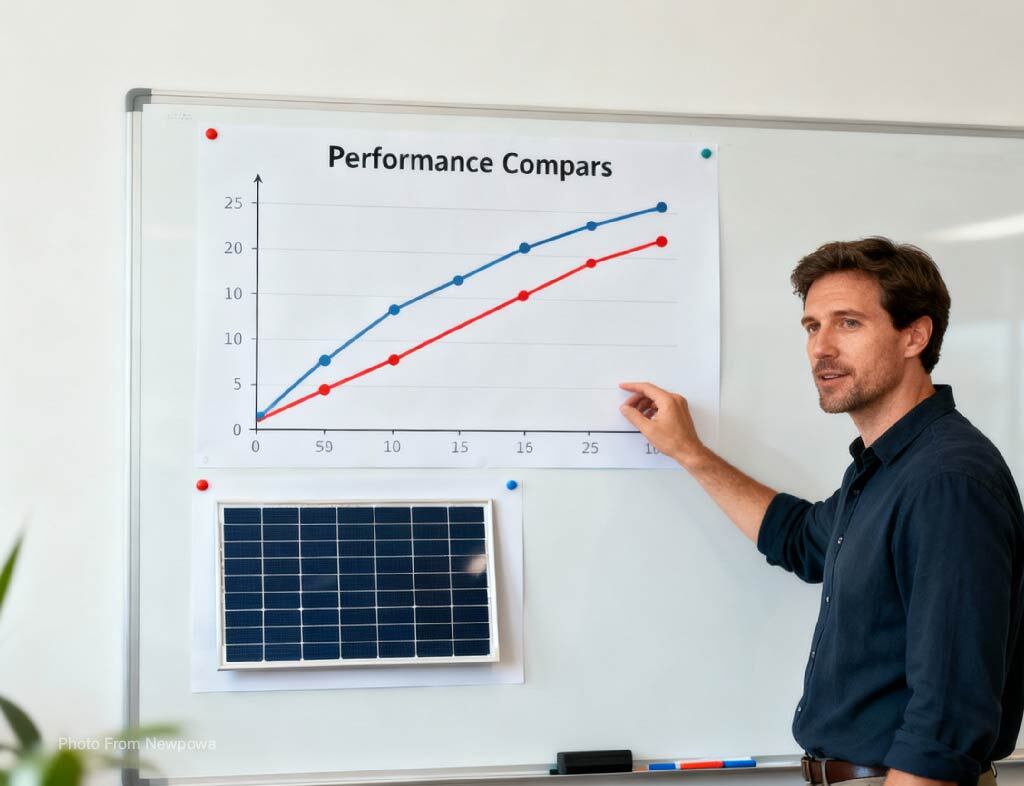
Key Difference: Linear vs. Stepped Performance Warranties:
A stepped warranty might guarantee 97% in the first year, then drop to a lower percentage, such as 80%, by the 25th year. This allows for more significant performance degradation in the early years.
Linear performance warranties are now considered the industry standard. They guarantee a steady, annual performance degradation rate, such as 0.5% per year. This means the panel is guaranteed to produce at least 85% of its original power in the 30th year. Linear warranties provide more consistent and predictable energy output over the project's lifecycle, which is crucial for financial forecasting. Be sure to look for a linear decay warranty.
Bankability is the cornerstone of project finance. It determines whether a financial institution will provide debt financing for a project. A bankable project is one that lenders are confident will generate stable and predictable revenue streams over its entire operational life, ensuring the loan can be repaid.
Transferability: If you sell the asset, is the warranty easily transferable to the new owner?
Guarantor and Insurance: Does the vendor have an insurance policy or third-party guarantor to back its warranty? This provides a second layer of protection in the event of manufacturer bankruptcy.
Claims Process: Is the process for filing a claim clear and logical? What is the timeline? Who will cover the labor and shipping costs to replace a faulty panel?

Conclusion: Transforming Promises into Bankable Assets
A 30-year warranty should be a risk mitigation tool, not a source of risk. By systematically verifying a supplier's financial stability, manufacturing quality, and the specific terms of their warranty, you can make an informed decision. This due diligence process transforms a simple market promise into a bankable asset, protecting your investment throughout the project's life cycle. In the high-risk solar industry, trust but verify is the best strategy for long-term success and stability. For procurement and finance teams, this cautious approach means more than just purchasing solar panels; it means investing in a secure, predictable energy future.