Solving Space Constraints: How High-Density Panels Maximize Power on Limited Commercial Rooftops
Posted by SLD Tech Inc on 21st Dec 2025
Introduction
If you own a commercial property, or if you are an architect or engineer, you know the value of space. On a city rooftop, every square meter is important. Maybe there are air conditioning units, ventilation systems, or equipment for your business. The available space for solar panels is often limited. This is a common and frustrating problem. You want to use solar power to save money, but you worry there is not enough room for a system that makes financial sense.
For a long time, the solution was simple: install more panels. But this is not possible when the roof is small or crowded. The old way of thinking focused on the number of panels. The new way of thinking focuses on the power from each square meter. This is the idea of “power density”. It is not about how many panels you can fit. It is about how much energy you can produce from the space you have.
This blog will explain how new technology in solar panels solves the problem of “space constraints”. We will discuss how high-density panels, with features like ultra-slim frames and high-efficiency N-type cells, are the key to maximizing energy production on limited “commercial real estate” rooftops. This is the most effective way to ensure a strong “Return on Investment (ROI)” for your “rooftop solar”project.

The Challenge: Why Limited Space Kills Project Viability
A commercial rooftop is not an empty field. It is a complex area with many different functions. The main challenges include:
- Small Physical Area:Many buildings, especially in cities, have small roofs. There is simply not enough physical space for a large number of standard-efficiency panels.
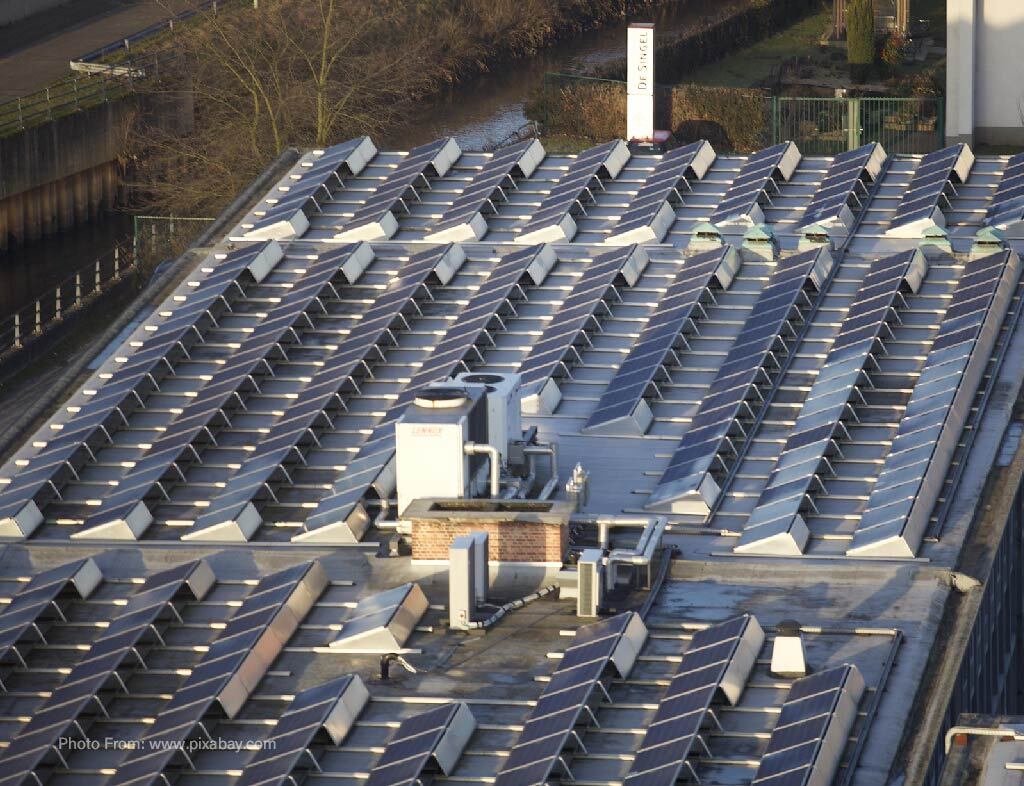
- Equipment and Obstructions:Rooftops are full of equipment. Air handlers, pipes, elevator overruns, and skylights take up a lot of room. These obstructions break up the available space, making it difficult to arrange long rows of standard panels.
- Weight and Structural Limits:Some older buildings cannot support the heavy weight of a large, traditional solar array.
- Setback Requirements:Local fire codes often require pathways around the edge of the roof and around equipment. These "setbacks" can reduce the usable area for solar by 30-40%.
When you use standard panels, these challenges can make the project impossible. The system may be too small to generate enough power to justify its cost. The “ROI” becomes too long, and the project is cancelled. This is a lost opportunity.
The Solution: Maximizing Power Density, Not Panel Count
The solution is to change the goal. Instead of trying to fit more panels, the goal is to get more power from the same area. This is called increasing “power density”. It means each panel produces more kilowatt-hours (kWh) of energy per year, for every square meter of roof space it occupies.
Think of it like the difference between a standard-definition television and a 4K television. Both might be the same physical size, but the 4K screen fits much more visual information into that same space. High-density solar panels do the same with energy.
There are three main technologies that work together to create high power density:
- Higher Cell Efficiency (The Heart of the Panel)
The core of a solar panel is the solar cell. New cell technologies, like N-type TOPCon, are simply more efficient at converting sunlight into electricity compared to older P-type cells.
What it means: A standard panel might be 20% efficient. A high-efficiency N-type panel can be 23% or more efficient. This means that from the same amount of sunlight hitting the same physical size, the N-type panel will generate more electrical power.
Real-world impact: For you, this means that a single high-efficiency panel can produce the same power as 1.15 standard panels. So, you need fewer of them to reach your energy goals, saving crucial space.
- Ultra-Slim Frames (Using Every Millimeter)
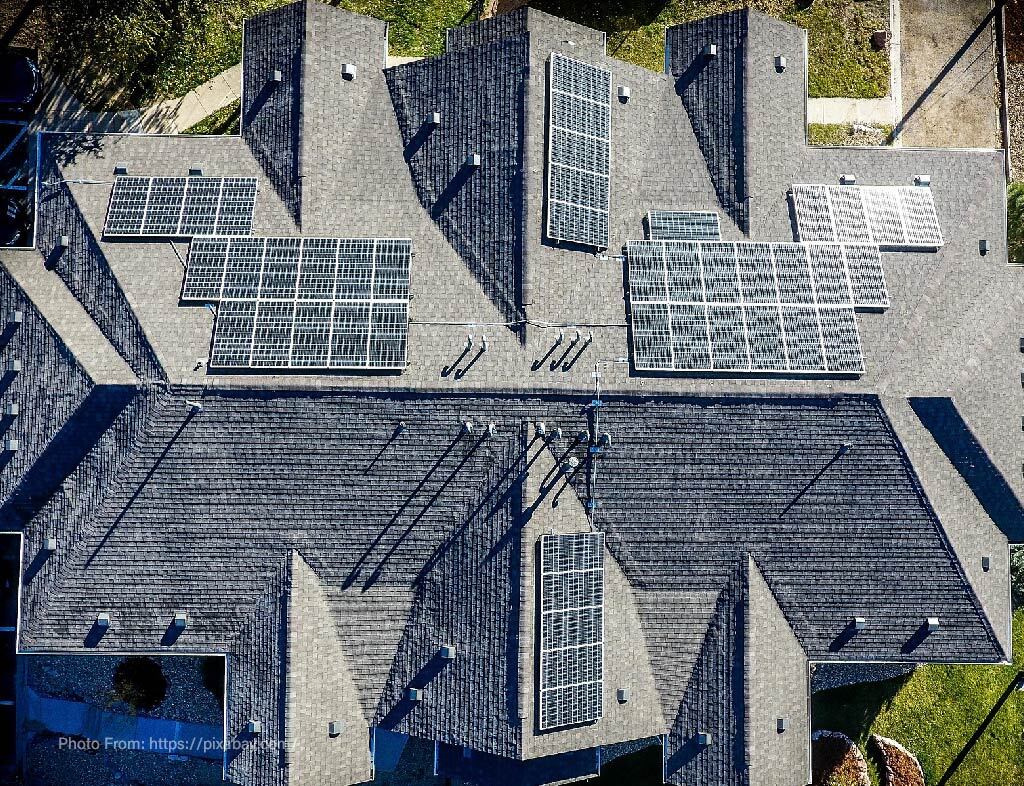
The frame around a solar panel is necessary, but it also creates dead space. When you install many panels side-by-side, the frames add up to a significant area that is not producing any power.
What it means:New “ultra-slim frames” are much thinner than traditional frames. This reduces the "dead zone" between panels.
Real-world impact: On a crowded roof, you can fit more active, power-producing cells into the same layout. It allows for a tighter packing of panels, especially around obstructions, ensuring you use literally every possible centimeter of sun-exposed roof.
- Optimized Form Factors (Smarter Panel Shapes)
Sometimes, the problem is not just the total area, but the shape of the available space. There may be a long, narrow section of roof between two air conditioning units.
What it means: Some manufacturers offer panels in different sizes and shapes, not just the standard large rectangle. A slightly smaller or differently proportioned panel can sometimes fit perfectly into an awkward space that would otherwise go unused.
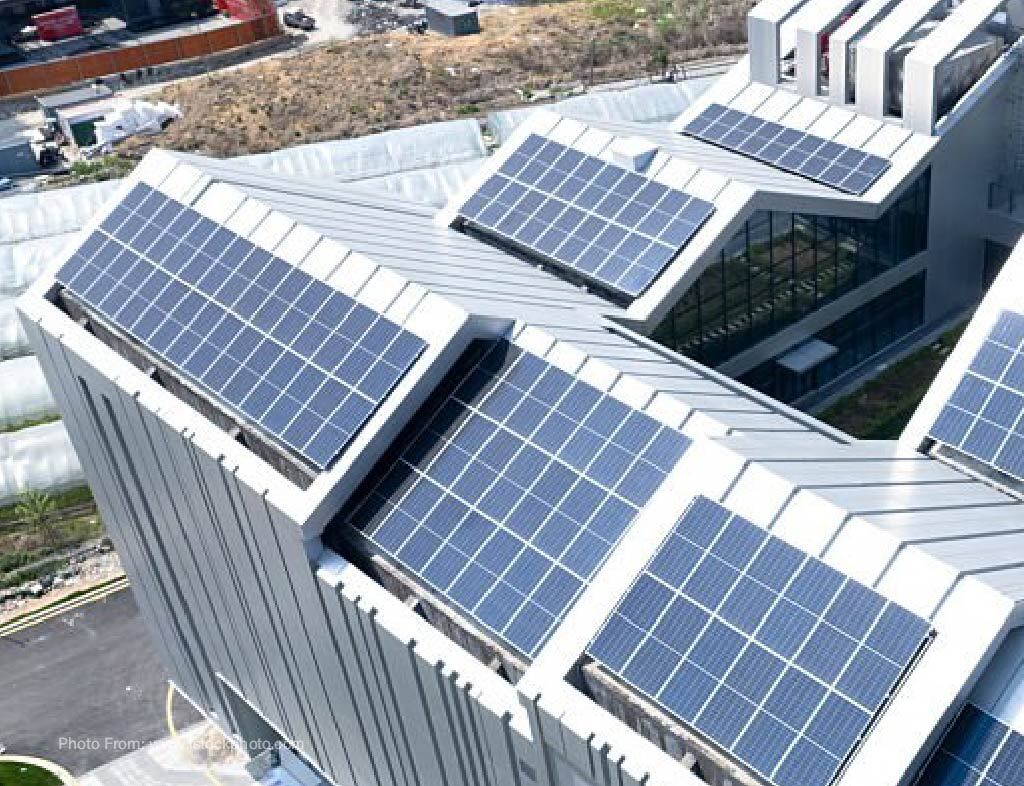
Real-world impact: This allows you to fill those odd-shaped roof segments with high-efficiency panels, adding valuable kilowatt-hours to your system's total output that would have been lost.
Connecting High Density to Project Economics and ROI
For a “commercial property owner”, this is not just an engineering discussion. It is a financial one. Higher power density directly translates into a better financial return.
Higher Energy Production: A high-density system will simply produce more electricity each year from your limited roof. This means greater savings on your utility bill.
Faster Payback: Because the system is producing more valuable energy, the savings pay for the system's cost more quickly. The “ROI” improves significantly.
Project Viability: Many projects that were once considered "not feasible" due to space become financially attractive with high-density panels. It turns a "no" into a "yes."
Conclusion: Stop Thinking About Space, Start Thinking About Power
The challenge of a limited rooftop should not stop your solar project. The technology has evolved. The solution is to stop focusing on the square meters you don't have and start maximizing the power you can generate from the meters you do have.
High-density solar panels, with their superior efficiency, slim frames, and smart designs, are the key to unlocking the potential of constrained commercial rooftops. They transform a space problem into a power solution.
On your next project, do not just ask, "How many panels can I fit?" Instead, ask the more important question: "What is the power density of these panels, and how can they maximize my energy yield on this specific roof?" By choosing high-density technology, you ensure that your commercial solar investment delivers the strongest possible financial return, no matter the size of your roof.